Lewis & Clark: What Was Their Value Worth? Seaman, York, Sacagawea & Pomp Stories (Read More)

The Corps of Discovery was a fascinating group of individuals. But there were four members of the corps that were “valuable” but not paid. Hunt discusses these four members and tells stories of their adventures. She also dispels a few myths about these members. This program is appropriate for all ages. Presented by Renae Hunt

Contact Information

Title:


Website:
City:

Unseen Pioneers (Read More)

This program takes a look at black American influences in the early west, and at the movement of freed blacks after the civil war as they move into and settle in the west. We will look at black settlements in the plains and the causes for their ultimate demise. This program is not a broad history of black settlers and settlements, rather, a quick sketch of who was here, where they came from and what happened to them. Presented by Jerry Lucas

Contact Information

Title:


Website:
City:

An Evening with Chief Big Elk (Read More)

Big Elk was chief of the Omaha Tribe during the 1800s. As the expanding U.S. threatened First Peoples, he sought ways to protect his tribe and their culture from obliteration. He created alliances and attempted to prepare for a future that he thought depended on a closer relationship with the U.S. Chief Big Elk will be presented by his great-great-great-great-great-grandson, Taylor Keen. Audience members will be able to ask questions first of Chief Big Elk and then of Taylor Keen.

Contact Information

Title:


Website:
City:

An Evening with Abigail Adams (Read More)

Abigail Adams played an important role in the founding of this nation. She and her husband, John Adams, were intellectual equals who discussed the complex issues of founding a nation together. She wrote him many letters that contained her astute advice while he worked with other patriots. Presented by Jessica Downing-Ford

Contact Information

Title:


Website:
City:

Nebraska: Weaving a State (Read More)

This session will discuss the history and politics of Nebraska’s admittance as the 37th state in the Union. As the first state admitted after the Civil War, Nebraska not only faced the politics within the state, but Reconstruction politics as well. Presented by Dr. Sara Crook, Professor Emeritus, Peru State College This talk will be given in the West Room.

Contact Information

Title:


Website:
City:

Storytelling in the Hispanic Tradtion (Read More)

An experienced storyteller, Linda Garcia-Perez draws on her experiences as a young girl in Omaha’s Mexican-American barrio. Her stories convey a universal message of humor, wonder and tradition. This program is appropriate for all ages. This presentation will be given in the East Room.

Contact Information

Title:


Website:
City:

Ancient People on the Plains (Read More)

Speaker: Dr. Steven P. Howard, PhD Dr. Howard, director  of the Archaeology and Anthropology department at Eastern Wyoming College will provide a brief synopsis of what is known about peoples that lived in this region prior to contact, and a discussion of developments during and after the Contact Period.    

Contact Information

Title:


Website:
City:

“Ins” & “Outs” of the Nebraska Hall of Fame (Read More)

This session will discuss the various Nebraskans, some well-known and some lesser-known individuals, who have shaped the history and culture of our state. Presented by Dr. Sara Crook, Professor Emeritus, Peru State College This talk will be given in the East Room.

Contact Information

Title:


Website:
City:

The Origins of American Cowboy Culture (Read More)

Why are there rodeos? Why are there cowboys? Why are there horses in America? Where did the word cowboy come from? The Stetson cowboy hat? Why were there TV shows like Gunsmoke, The Lone Ranger, and The Cisco Kid? This fascinating presentation traces cowboy culture’s roots from the open plains of Spain to the establishment of ranching culture in the New World. Angel Vigil describes the role of the Spanish/Mexican vaquero in the establishment of traditional cowboy and ranching practices in the west, placing the historical and fictional lore of the origins of the American cowboy in the historical context of the vaquero, the true first cowboy. Presented by Chautauqua scholar Angel Vigil.

Contact Information

Title:


Website:
City:

Sacred Seed: Reviving Indigenous Agricultural Lifeways (Read More)

Seed is sacred to the First Peoples of this land. Taylor Keen shares his 10 year journey to reclaim his Omaha tribal seeds and the teachings afforded by the Plant Nations. Presented by Taylor Keen, who is of Omaha and Cherokee heritage and is a full-time instructor at Creighton University. Keen is the author of ‘Rediscovering Turtle Island: A First Peoples' Account of the Sacred Geography of America" and the founder of Sacred Seed.

Contact Information

Title:


Website:
City:

Women’s Rights and the Saucy Mrs. Adams (Read More)

Five years after Abigail Smith married John Adams, the American colonies adopted the British law of coverture. This law held that no female person had a legal identity. Married women owned nothing—not even the clothes on their backs. More importantly, they had no rights over their own bodies, or custody of the children they bore. Abigail’s marriage was based on mutual respect, and she understood how lucky she was. She witnessed families torn apart by a husband’s drunkenness, lack of employment, temper, and/or money mismanagement. Abigail’s famous ‘remember the ladies’ letter to her husband in which she implores him to “not put such unlimited power into the hands of the husbands,” speaks directly to the law of coverture. This was the women’s rights issue of her time—remnants of which still exist in the year 2024. Presented by Chautauqua Scholar Jessica Downing-Ford

Contact Information

Title:


Website:
City:

Guadalupe Dancers (Read More)

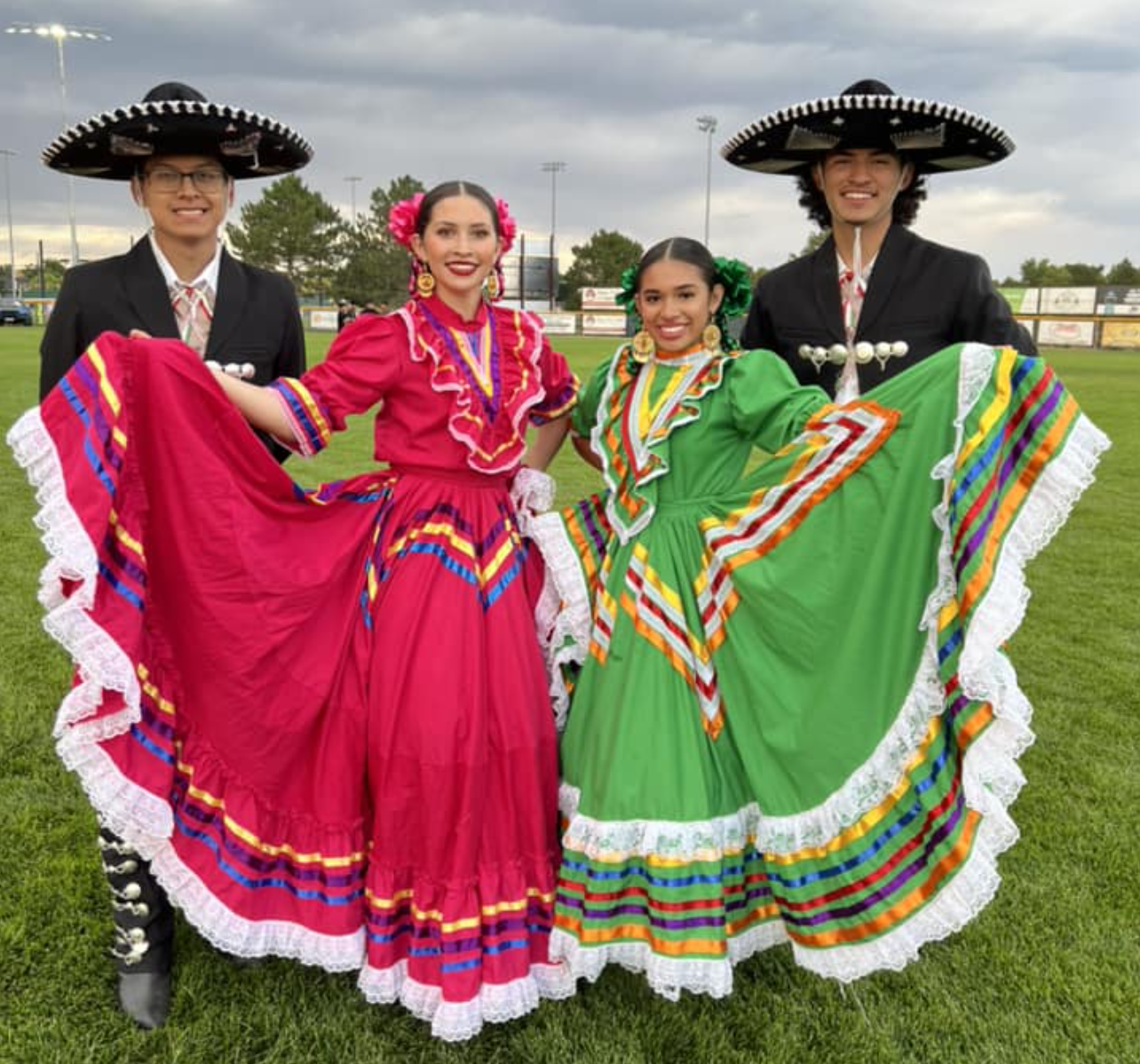
Enjoy traditional music while the Guadalupe Dancers perform! The Los Guadalupanos is a Traditional Mexican Folklore dance group out of Western Nebraska.

Contact Information

Title:


Website:
City:

Early Japanese Settlers in Nebraska (Read More)

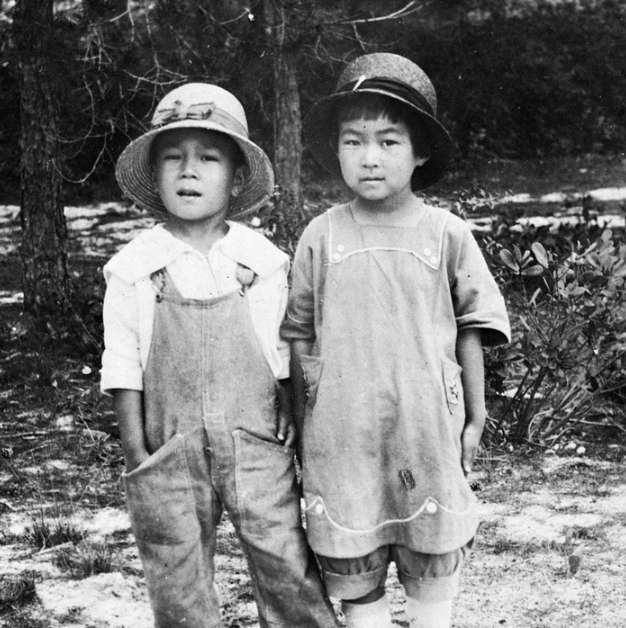
Although the majority of Japanese immigrants settled in Hawaii, California, and the West Coast, some pushed further inland, to work on the railroad and coal mines, ending up in Nebraska. A few died from illness, the Spanish Flu, train accidents, their gravestones written in Japanese characters. Others returned to Japan or moved to larger cities. But some stayed, put down roots, raised families, farmed, published newspapers, opened businesses, worked in meat packing plants, laundries, pool halls, and restaurants. This talk will illustrate their journey from Japan, and some of the various paths that brought them here, as well as the transitions they made along the way. Speaker: Julie Ushio, a member of the Advisory Board at Japanese Hall, Legacy of the Plains Museum, in Gering. She grew up in Alliance, Nebraska, where her Japanese grandparents settled.

Contact Information

Title:


Website:
City: